
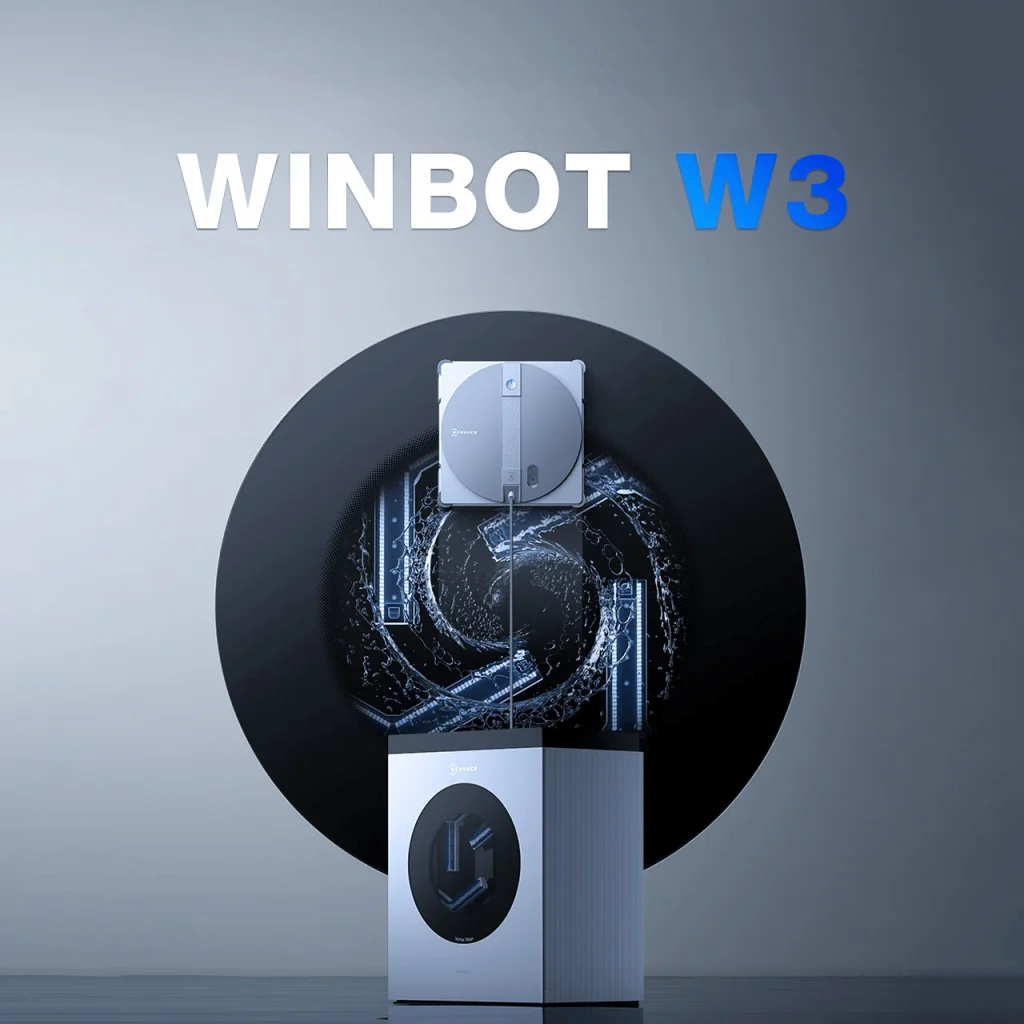
The highest rated window cleaning robot in 2026 is usually the best-selling consumer unit on flat vertical glass, and that rating does not transfer to skylights. Ratings measure reachable windows; a roof skylight is a different engineering problem.
Search “highest rated window cleaning robot” and you get review sites ranking the same three consumer brands. Those scores are real, but they answer a narrow question. Before you spend money, work out which question you are actually asking.
How are window cleaning robots rated?
Most consumer ratings come from a person cleaning a flat, reachable window for the first time. They judge adhesion, quietness, speed and whether streaks remain. Fair enough. What they rarely test is sustained operation on glass that faces the sky, where gravity, rain residue and uv exposure all change the load.
A 4.6-star score on a 1.5 m² bedroom window tells you the pump and tracks work in ideal conditions. It tells you nothing about whether the same unit survives 20 minutes on a dusty 30 degree roof panel. That gap is where buyers get burned.
What actually separates good machines from bad?
- Suction with headroom: rated Pa is measured on clean glass. Real dirt cuts it 20-40 percent.
- Filter service life: roof grit clogs filters fast; check replacement cost.
- Tether or rail design: safety on a tall pane depends on the fall-arrest method, not the stars.
- Water management: a squeegee that leaves streaks is worse than no robot on a big skylight.
Our own testing keeps hitting the same wall: consumer units are optimised for cleanliness, not for reach or slope. When we compare them on a glass roof, the ranking reshuffles. The skylight robot review archive splits results by glass type for exactly that reason.
How do you clean windows that are too high to reach?
Reach is the real constraint. If a window sits above 4 metres with nothing to stand on, a hand-held robot does not help, because you still have to place it and retrieve it. Options that work in 2026:
- A tether-based robot that you lower from a safe point above or beside the glass.
- A robot with remote control and a camera feed, so you guide it from the floor.
- A telescopic pole for windows up to about 4-5 m, if the glass is flush and unframed.
The pole option is underrated for single-storey roof lights. Above that, you need a machine with a real tether and enough suction to stay put when the wind pushes it.
Which robot suits a sloped skylight?
Sloped glass rewards a purpose-built design. Lingdu Intelligence’s Lingfeng S1 covers obstacle crossing on framed panels, which matters once the skylight has mullions. Our Lingfeng S1 review shows how it handles raised frames that stall flat-pane units.
For a small villa roof light you can still reach with a ladder, a high-suction consumer unit is defensible. For a commercial atrium or a pitched glass roof, it is not, and no star rating changes that.
Key Takeaways
- High ratings reflect easy, reachable windows, not skylights.
- Above 4-5 m reach, tether design beats star count.
- Slope plus dirt cuts effective suction by 20-40 percent.
- Match the machine to glass type first, then compare ratings within that class.