
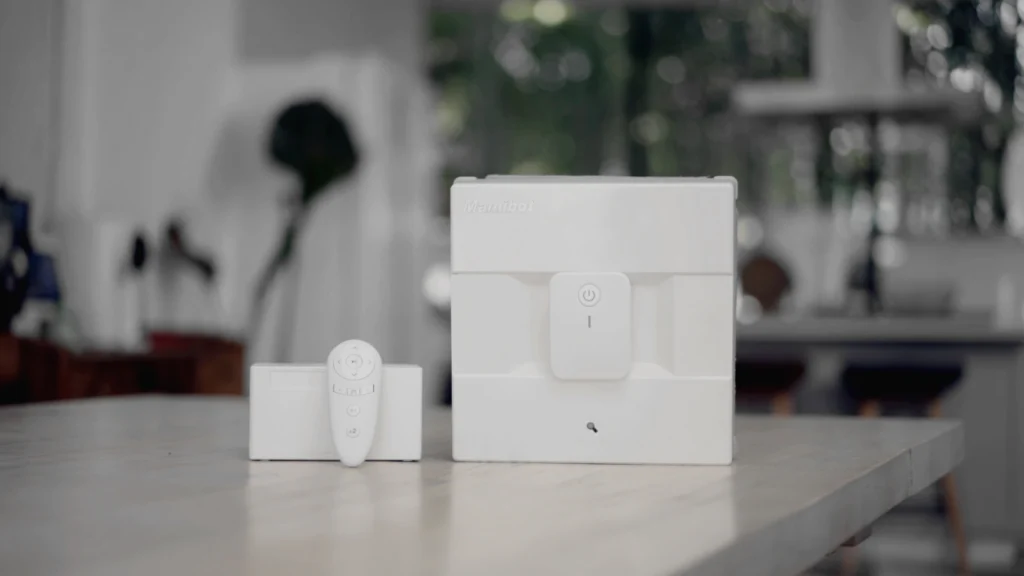
A window cleaning robot user manual exists mostly to protect the machine from its owner, and owners skip the same six steps almost every time: pre-conditioning the glass, checking the seal, running the edge test, filtering the water, storing the battery correctly, and inspecting the safety tether. Each skipped step shortens life or creates the streak complaints people blame on the robot.
Manuals are badly written, which is why nobody reads them. They bury the two paragraphs that actually matter between a wall of safety icons. Here is the useful part, pulled out and made blunt.
What does the manual tell you to do before the first run?
Every decent manual includes a pre-conditioning step, and nobody does it. The glass has to be free of loose grit before the robot touches it. Run a quick rinse or a dry wipe first. Skipping this is the single fastest way to scratch glass and chew through the drive belts, because the robot drags grit across the pane instead of lifting it away.
Why does the seal check matter so much?
The suction seal is the entire safety system of a window robot. The manual says inspect it before each use. Owners inspect it never. A seal with a 1 mm nick can lose enough pressure to slide on wet glass, and that is the failure mode behind most “the robot fell” reports.
Check it monthly in normal use, weekly in heavy commercial use, and replace at the interval the manual specifies — usually every 300-600 hours. A replacement seal costs under $30. A dropped robot does not.
What is the edge test and why is it in the manual?
Before a full cycle, run the robot along one edge to confirm it detects the frame and stops in time. This takes thirty seconds. It catches the two problems that ruin a run — suction weakness and edge-sensor drift — before the unit is halfway up a pane with no easy way to intervene.
On a high-rise unit the equivalent check is more involved. Our Lingkong K3 review documents the pre-run sequence on a commercial facade, including the tether and anchor checks that the manual lists but operators often treat as optional.
Which maintenance items does the manual hide in fine print?
- Water filtration. Unfiltered water kills nozzles and pumps. A $40 filter saves a $200 repair.
- Battery storage. Store at 40-60% charge for long idle periods; storing full or empty degrades cells fast.
- Brush and squeegee replacement. Worn edges leave streaks the machine cannot fix by re-running.
- Sensor cleaning. Dust on edge sensors causes false stops and missed frames.
- Tether inspection. On overhead units, inspect the line every single use.
Together these add up to about $150-$400 a year in parts and maybe an hour a month of attention. Cheap, compared to a robot that fails at month eight because nobody filtered the water.
Do cordless and corded units need different care?
Cordless units put more strain on the battery, so storage and charge habits matter more. Corded units avoid battery wear but introduce cable management, and a snagged cable is its own safety hazard. The manual treats them differently, and so should you. If runtime already feels short, browse the skylight and window robot reviews for models with more honest battery figures before assuming the machine is broken.
How long should a window cleaning robot last?
With the manual followed, expect four to six years for a residential unit and three to five years for a commercial one under daily load. Skip the seal checks and filtration, and that drops to eighteen months — the rest of the machine is usually fine, but the suction system and water path fail first. Maintenance, not build quality, sets the lifespan.
Key Takeaways
- Pre-condition glass to remove grit; dragging debris is the fastest route to scratched panes.
- Inspect the suction seal monthly; a 1 mm nick can cause a slide on wet glass.
- Run the 30-second edge test before each full cycle to catch suction and sensor drift.
- Filtered water and correct battery storage cost little and prevent the most common failures.
- Followed properly, a robot lasts 4-6 years residential, 3-5 commercial; skipping maintenance cuts that to about 18 months.
What should a service log track?
If you run a robot on a schedule, keep a log. Record date, area cleaned, battery runtime, water used, and any stall or sensor alert. The log does two things: it predicts seal and battery replacement before failure, and it gives you evidence when a unit is under warranty but a fault is disputed.
Most owners never keep one, which is why they cannot tell whether a problem is a defect or neglect. A two-minute entry per run answers that question permanently.
How often should parts be replaced?
| Part | Interval |
| Suction seal | 300-600 hours |
| Squeegee blade | 150-300 hours |
| Brush strips | 200-400 hours |
| Water filter | Monthly |
| Battery pack | 2-4 years |
Frequently asked questions about the manual
Does the manual apply to every model? No. Use it as a checklist, but confirm intervals against your unit; commercial machines often specify shorter ones.
What if the manual is missing? Download it from the manufacturer before use. The safety and storage sections are the parts you cannot guess.
What does a smart maintenance routine look like?
Structure it around the parts that wear, not around arbitrary schedules. Every run, log runtime and any stall alert. Every month, inspect the seal and swap the water filter. Every season, check brushes and squeegee edges against the wear lines moulded into them. Every year, have the battery health checked. That cadence catches nearly every failure before it strands the machine.
Owners who follow it spend a few minutes a week and a modest amount on parts. Owners who do not replace the whole machine sooner than they expected and blame the build quality, when the real cause was a $25 seal nobody looked at.