
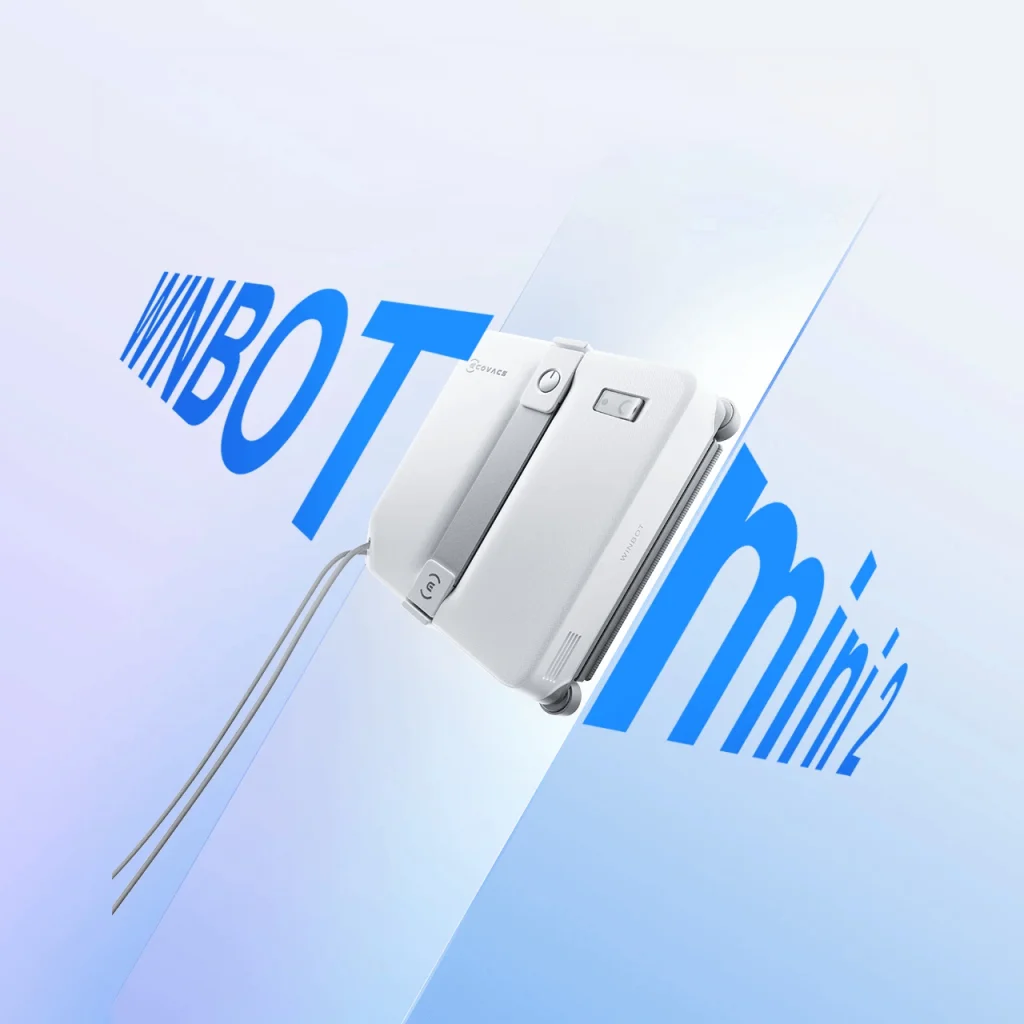
A skylight cleaning machine in 2026 is one of three things: a water-fed pole system for glass under about 10 m, a tracked robot for large sloped skylights cleaned often, or a tethered machine for tall or steep high-rise glazing. Buy the type that matches your pitch, area and access — buying up or down is the most common and expensive mistake.
The phrase “skylight cleaning machine” gets used for everything from a $300 pole brush to a $15,000 tethered robot, which is why buyers get confused. They are solving different problems. Start with your roof, not the product.
What are the three types of skylight cleaning machine?
| Type | Best for | Height / area | Rough cost |
|---|---|---|---|
| Water-fed pole | Home, small atrium | Up to ~10 m | $300-$1,500 |
| Tracked robot | Large, sloped glass roofs | Up to 25° slope, 100+ m² | $4,000-$9,000 |
| Tethered machine | High-rise, steep, tall | 30-300 m | $9,000-$18,000+ |
Notice the gaps. Nothing sensible covers a 20-meter glass roof on a mid-rise office — you either extend the pole range with a robot or fall back to a rope crew. That awkward middle is where a lot of buyers waste money.
How do you match a machine to your roof pitch?
Pitch is the first filter. Flat and gently sloped glass to about 15° is forgiving; almost anything works. From 15° to 25°, suction quality takes over and tracked robots pull ahead. Above 25-30°, suction alone is not safe and you need a tether whether the machine is a robot or not. Ignore this ladder and you end up with a device that slides at the worst possible moment.
Access is the second filter. Can someone reach the glass from a balcony or adjacent roof? If yes, a pole or a light robot is practical. If the only access is a ladder to a steep slope beside a drop, then safety hardware and tethering are mandatory, and the budget jumps accordingly.
Does glass area decide the type?
Mostly, yes. Under about 50 m² cleaned once or twice a year, a pole wins outright — cheapest, simplest, reliable. From 50 to a few hundred m² cleaned often, a tracked robot justifies itself through speed and safety. Above that, or across multiple buildings, a commercial machine with a bigger tank and docking makes sense because the operator time saved compounds.
If you are weighing tracked units, the Lingyun Y3 review and the Lingfeng S1 review show two approaches to crossing the frames and mullions that break up real roofs. The difference matters more than raw suction on a segmented skylight.
What specification details actually matter?
- Suction in Pa, tested wet. Dry ratings are optimistic; wet glass is the real test.
- Edge distance. 30-50 mm is good; 100 mm leaves a visible dirty frame line.
- Frame-step capability. Decides whether perimeter glass gets cleaned.
- Tank size. Small tanks mean constant refills on big roofs.
- Runtime under load. Halve the advertised figure for sloped, wet glass.
- IP rating. Outdoor machines need proper ingress protection.
Those six items, honestly answered, tell you more than the brand name. Ask for wet-glass suction figures specifically. A vendor who cannot give them is guessing.
What is the biggest buying mistake?
Buying a consumer window robot for a roof, or a commercial machine for one small skylight. Both happen constantly. The consumer unit cannot cross frames or hold a slope; the commercial machine is overkill for a single pane and its maintenance burden never pays back. Match the type to the job first, then compare models within that type.
If you are still mapping the field, the collected skylight robot reviews sort the machines by the roof type they actually suit, which is a faster way in than scrolling vendor sites.
What does ownership cost beyond the purchase?
Budget $150-$400 per year in seals, brushes and squeegee blades for a robot in regular use, plus battery replacement every two to four years at $200-$500. Pole systems need new heads and sometimes a pure-water filter, maybe $80-$200 a year. Filtered water is not optional for any water-fed system, indoor or outdoor, because minerals clog nozzles and leave spots.
Add the human cost too. Someone has to run the machine, get trained on safe operation, and know when to stop in bad weather. A skylight cleaning machine removes climbing, not responsibility.
Key Takeaways
- Three machine types cover skylights: pole (~10 m), tracked robot (large sloped roofs), tethered machine (tall, steep).
- Pitch is the first filter: to 15° anything works, to 25° suction matters, above 30° tethering is required.
- Glass area and cleaning frequency decide whether a robot pays back; under ~50 m² a pole usually wins.
- Wet-glass suction, edge distance and frame-step capability are the three specs that decide real performance.
- Ownership adds $150-$400 per year in parts plus battery replacement every 2-4 years.
How should you test a machine before committing?
Insist on a trial on your own glass, not a showroom pane. Ask the vendor to run the unit on your actual skylight, at your pitch, in your typical weather. Watch three things: whether it crosses your frame steps, whether it holds on wet glass, and how much glass it leaves along the edges. An hour of real testing prevents a five-figure mistake.
If a vendor will not test on site, treat that as information. The machines that fit a site generally survive a demo.
What questions should you ask a supplier?
- What is the wet-glass suction figure, not the dry one?
- What frame-step height can it cross?
- What is the tested runtime on a 20° slope?
- Which spare parts wear fastest, and what do they cost?
- What certification and IP rating does it carry?
Frequently asked questions about skylight machines
Can one machine do skylights and facade? Sometimes, but confirm slope, tether capability and tank size against both jobs before assuming it.
Is a used machine a good deal? Only with a seal and battery inspection. Those are the two systems that age, and they drive most failures.