
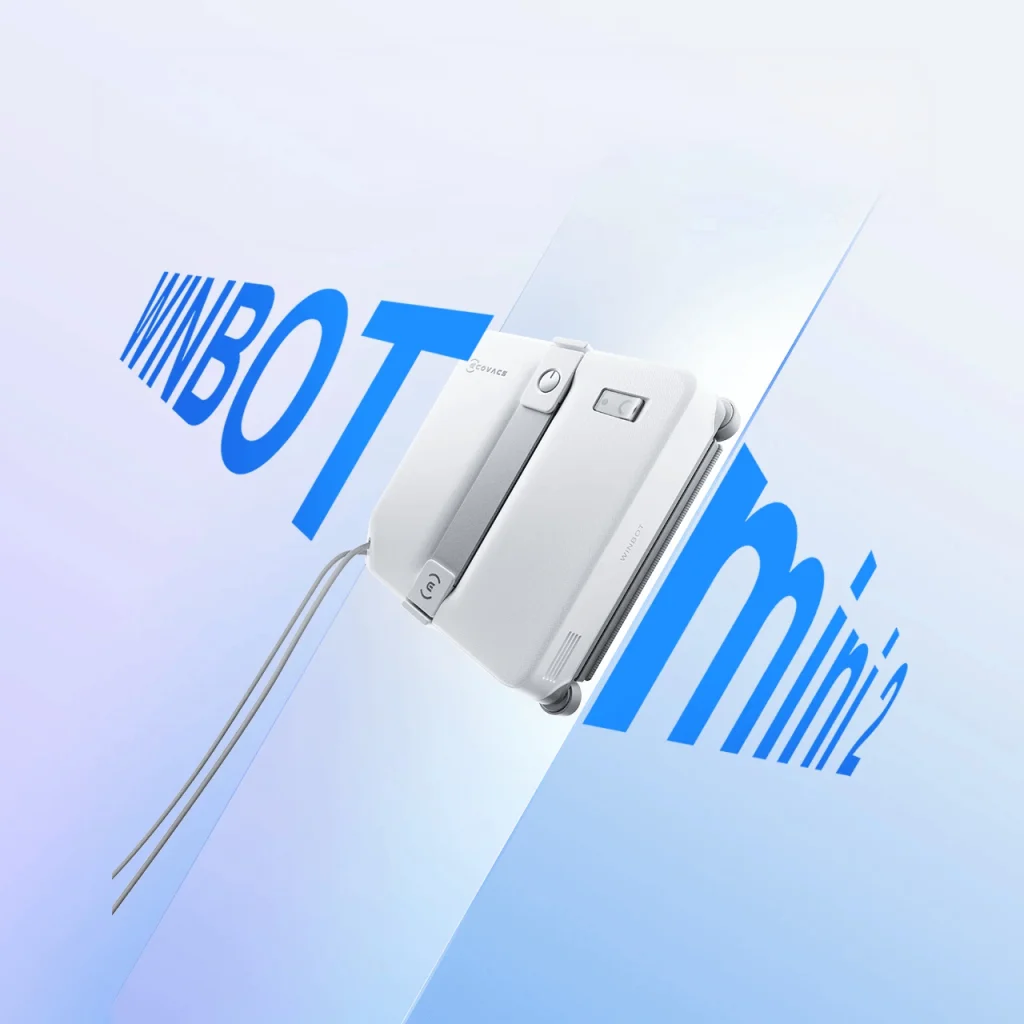
Cordless window cleaning robots advertise 80-100 minutes of runtime, but real skylight sessions run 30-45 minutes because suction on sloped, dirty glass draws far more power. Buy on measured runtime under load, not the label figure.
The appeal of a window cleaning robot cordless setup is freedom from cables. In practice, cordless also means a battery that has to fight hard suction and motor load, and the gap between marketing runtime and real runtime is where buyers get disappointed.
Why does cordless runtime fall so short of the claim?
Rated runtime is measured under light load on clean, near-vertical glass. Add slope and the pump works harder to hold position. Add dust and the pump works harder still because seals and filters restrict flow. Add wet cleaning and the motor drives a pump and a squeegee motor at once. Each factor is worth 15-30 percent of runtime, and they stack.
A 3000 mAh battery rated for 90 minutes can realistically deliver 35 to 45 minutes on a 30 degree dusty skylight. That is not a defect. It is how the physics works, and it is why serious roof machines often pair cordless operation with a swappable battery or a tether that also carries power.
What battery specs should you compare in 2026?
| Spec | What it tells you | Good target |
|---|---|---|
| Capacity (mAh) | Raw energy, not runtime | 3000+ mAh |
| Swap capability | Downtime between charges | Hot-swap or spare pack |
| Charge time | Cycle time on multi-window jobs | Under 2.5 hours |
| Load runtime | Honest minutes under suction | Ask for measured figure |
Capacity alone is a poor guide. A pack that swaps in seconds is worth more than a bigger pack that charges for three hours, because on a big glass roof you will need more than one charge regardless.
Is cordless or tethered better for a skylight?
For a single reachable window, cordless wins on convenience. For a large or high skylight, a tether is usually better: it doubles as fall arrest and can carry power, removing the runtime ceiling entirely. Tethered units also let the pump run without battery anxiety, which keeps suction stable through a long session.
We ran this comparison on roof glass in the Lingfeng S1 review, and the tether carried more of the load than expected. Runtime claims are covered model by model in the skylight robot reviews.
Who should not buy cordless?
Anyone cleaning more than about 15 m² of roof glass per session, or working on glass above 4 metres, should think twice. In those cases the battery becomes a scheduling problem and the tether becomes a safety requirement. Cordless shines for a handful of reachable windows where you value not dragging a cable through the house.
Key Takeaways
- Rated 80-100 minute runtime becomes 30-45 minutes on a dusty sloped skylight.
- Slope, dust and wet cleaning each cut runtime 15-30 percent, and stack.
- Swap capability beats raw capacity for multi-window jobs.
- Above 15 m² per session or 4 m height, a tethered machine is the better choice.