
News

Roof Cleaning Robots and Skylights: What Buyers Miss in 2026

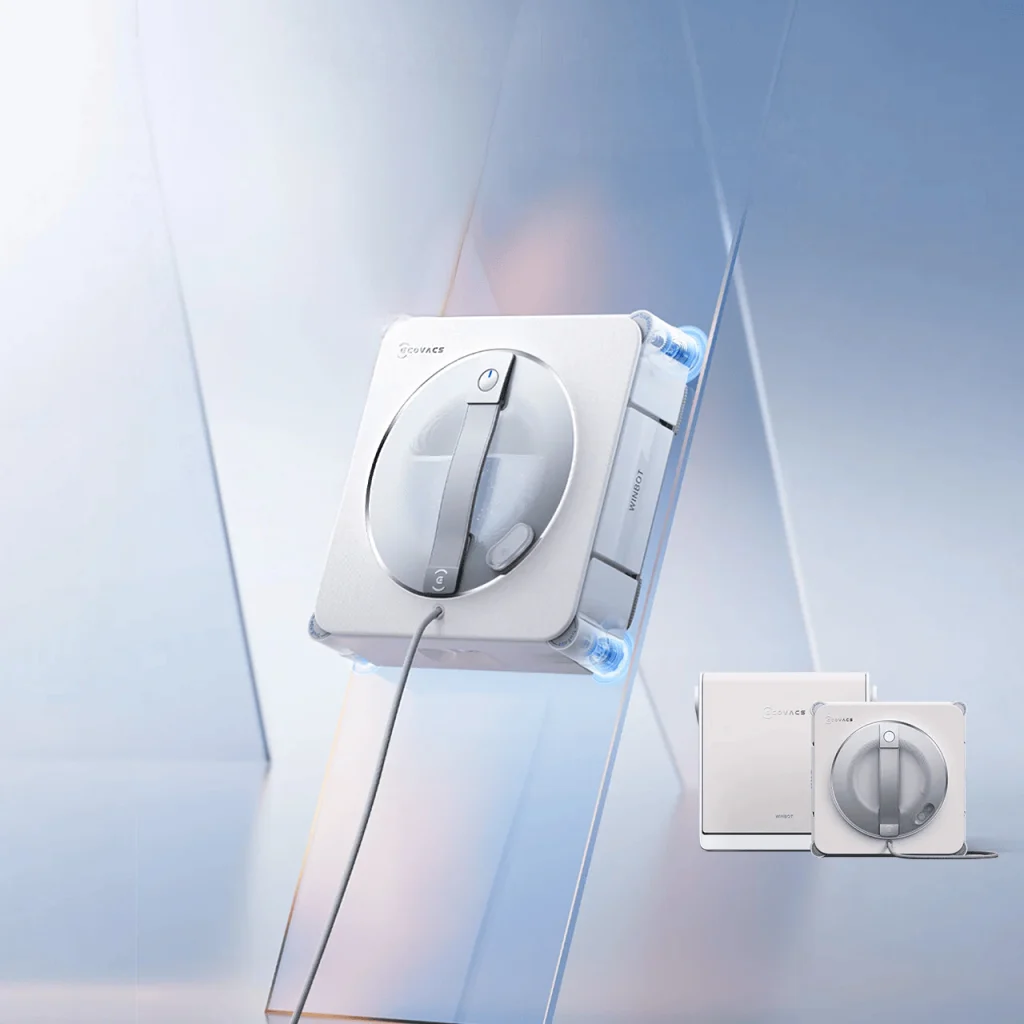
Ecovacs WINBOT W2S PLUS

Roof cleaning robots handle flat commercial roofs well, but a skylight is tilted glass, not membrane roofing. If your roof has glazed sections, you need a robot rated for slope, edge sensing and squeegee water recovery, not just a flat-floor sweeper.

People search for a roof cleaning robot and end up looking at skylight panels. That mismatch causes most of the returns I see quoted in facility forums. A machine that scrubs a concrete roof deck has no reason to hold onto a 25-degree glass panel.

What actually differs between a roof robot and a skylight robot?

Three things separate them. Contact surface, grip, and how the machine handles water.

A tracked roof robot at 40 kg will simply slide on wet glass. The skylight units in the Lingdu Intelligence line, such as Lingkong K3 and Lingfeng S1, use a vacuum seal rated against 25-degree slopes and return dirty water to an on-board tank so runoff does not streak the panel below.

Do you need two machines, or can one robot do both?

For most mid-size sites, one skylight-grade robot with a proper suction spec covers glass roofs and can be lowered onto flat roof sections. A flat-roof sweeper cannot go the other way. Buy the glass-rated unit first; add a sweeper only if your roof area exceeds roughly 5,000 m2 of non-glazed membrane.

Read the suction and slope figures on the suction spec breakdown before you compare prices. A 2,500 Pa claim means little without the glass thickness it was tested on.

How much does a roof cleaning robot cost in 2026?

Skylight-capable robots sit higher than flat-roof sweepers. Ranges I can defend:

  • Entry glass-rated robot: USD 6,000-12,000
  • Mid tier with water recovery: USD 12,000-25,000
  • Fleet units with docking: USD 25,000+

Flat roof sweepers alone run cheaper, sometimes under USD 5,000, but they will not climb your atrium. The payback math flips fast when you price rope-access crews at USD 1.50-3.00 per m2 for high glazing.

Who should not buy a roof cleaning robot?

Skip it if your glass is under 4,000 m2, cleaned twice a year, and reachable by a simple water-fed pole. The capital does not pay back. Also skip tracked flat-roof units for glass entirely; that is a maintenance headache waiting to happen. Owners with mixed roofs should read the robot versus manual comparison first.

What breaks first on a glass roof?

Seals and squeegee blades, in that order. Grit trapped under a seal cuts suction fast, and a worn squeegee leaves hard-water lines that look worse than no cleaning. Budget replacement seals every 400-600 operating hours and inspect after any dusty week.

Does roof type change the robot you need?

Yes, more than height does. A concrete deck, a standing-seam metal roof and a glazed skylight punish a robot in different ways. Concrete is abrasive and eats wheels. Metal seams can catch a tracked chassis. Glass rewards suction and destroys anything that slips. Before you buy, walk the roof and note the three surfaces you actually have.

Sites with more than one surface usually end up with a compromise: a glass-rated robot lowered onto flat sections, plus a broom for the rest. That beats buying two machines you run half as often.

What maintenance does a roof robot need each month?

  • Rinse the recovery tank after each session
  • Wipe grit from seal and squeegee edges
  • Check tether anchors for wear
  • Charge and rotate batteries if cordless
  • Log operating hours against spares intervals

This list takes 15 minutes. Skipping it is how a robot that should last five years gets retired in three. The consumables guide has replacement intervals.

What certifications should a roof robot carry?

For commercial roofs, ask for CE marking, an IP rating of at least IP54 for outdoor work, and documentation for the tether and anchor load. If a vendor cannot produce a load rating for the tether, do not put the machine over people. The safety and certification notes list what to request in writing.

How should a facility team actually roll this out?

Start with a survey, not a purchase. Walk the roof, count square metres by surface type, note slope and height, and list what a robot cannot reach. Take those numbers to two or three vendors and ask each to quote against the same list. You will quickly see which machines fit and which are being stretched to fit.

Next, run a paid trial on one section for a month. A demo in a car park proves nothing about your glass, your dust and your access. A trial on your worst panel proves a lot. Many vendors will lend a unit for a deposit, and the money you spend on a trial is far less than returning a machine that never worked on your roof.

Then write the routine down. Who charges it, who sets the tether, who checks the seals, and who logs hours. Facilities teams that document this get years of service from one machine; teams that improvise replace seals on a rolling basis and blame the vendor. The budget for training is small, and it repays itself before the first consumable order.

Finally, review at six months with real data: square metres cleaned, hours run, consumables used and incidents avoided. If the robot is not clearing its cost by then, either the surface was wrong for the class or the schedule is too light. Adjust the class or the frequency, and keep the numbers honest. For a costed starting point, compare your area against the payback example and the consumables intervals.

What should stay on the roof, and what should not?

Leave the robot, its charger and a spare seal on site if you have a dry storage spot. Do not leave batteries at full charge for months, and do not store the machine on dirty glass. A dry, dust-free shelf keeps seals and sensors alive between cleaning days.

Keep a logbook with the machine. Note each session, the area covered and any suction warning. When a seal fails, the log tells you whether it was hours or grit that killed it, and that changes what you buy next. Teams that keep the book replace fewer parts.

Set one rule that survives staff changes: nobody runs the robot without the tether and the suction test. Write it on the logbook cover. Habits outlast people, and a single written rule has saved more roofs than any feature list. When in doubt, check the safety requirements before the next run.

Key Takeaways

  • A roof cleaning robot is not automatically a skylight robot; slope rating and vacuum grip decide fit.
  • Glass-rated robots need water recovery to avoid streaks on lower panels.
  • Expect USD 6,000-25,000 for skylight-capable machines in 2026.
  • Below 4,000 m2 cleaned twice a year, manual water-fed poles usually win.
  • Seals and squeegee blades are the first consumables to fail.

Questions on your roof mix? Talk to the team before you commit to a category you do not need.

Leave a Review Comment

Your email address will not be published. Required fields are marked *

SpecFlat roof robotSkylight glass robot
TractionWheels or tracksVacuum seal cups
WaterSpray and dripRecovery squeegee + tank
Edge sensingBumperOptical edge guard
Typical slope0-5 degreesup to 25 degrees