
In 2026 a roof cleaning robot price runs from about $1,200 for a small entry unit to $18,000+ for a commercial facade or skylight machine with tethers and a docking station. The middle — where most buyers land — sits between $4,000 and $9,000, and that tier is where specification differences start to matter more than brand.
Quotes are frustrating because two robots that look identical on paper can differ by $6,000. The gap rarely comes from the robot itself. It comes from suction grade, tether and safety hardware, and whether the unit is rated for continuous commercial duty or weekend use.
What does a roof cleaning robot cost at each tier in 2026?
| Tier | Price range | Typical buyer | What you get |
|---|---|---|---|
| Entry | $1,200-$2,500 | Homeowner, one skylight | Small suction unit, short cord, manual control |
| Mid | $4,000-$9,000 | Small facility, 2-3 roofs | Cordless, 60+ min runtime, edge reach under 50 mm |
| Commercial | $9,000-$18,000 | Malls, airports, factories | Tether safety, large tank, tracked drive, IP-rated |
| Multi-robot / fleet | $18,000+ | Contract clean firms | Docking, remote monitoring, spares package |
That table is a starting frame, not gospel. Negotiation, order size, and spare-part bundles move the final number by 10-20%. A facility buying three commercial units will not pay list.
Why is the price spread so wide?
Suction grade is the biggest single driver. A robot holding 3000 Pa on wet, sloped glass needs a stronger brushless motor, better seals, and more expensive battery cells. Add a safety tether anchor certified for overhead work and you have added a four-figure line item that entry units simply do not include.
Water handling is the second. A 3-liter tank on a mid-tier unit means frequent refills on a large skylight. A 10-12 liter commercial tank with filtration cuts operator trips dramatically but adds weight and cost. If your roof is above 600 m², the bigger tank usually pays for itself within a season.
How long until a roof cleaning robot pays for itself?
Rough payback math for a mid-tier unit at $6,500. Contract skylight cleaning commonly runs $1.50-$4.00 per m². A 4,000 m² glass roof cleaned three times a year at $2.50/m² costs $30,000 annually. A robot that covers 200 m²/h cuts crew hours so hard that most facilities see payback in 12-24 months, and faster if they stop renting rope crews entirely.
That math assumes realistic coverage. Be skeptical if a vendor quotes payback under six months — it usually means they assumed perfect conditions and zero downtime. Our breakdown of real per-tier costs shows where those optimistic numbers usually break.
What costs never appear on the quote?
- Consumables. Squeegee blades and brush strips wear out; budget $150-$400 per year per unit in heavy use.
- Spare batteries. Cell degradation is real. A replacement pack runs $200-$500.
- Operator training. Half a day per person, and it is not optional on sloped glass.
- Water access and drainage. Some roofs have neither, and that changes your setup cost.
- Insurance review. Overhead robots may affect your liability terms.
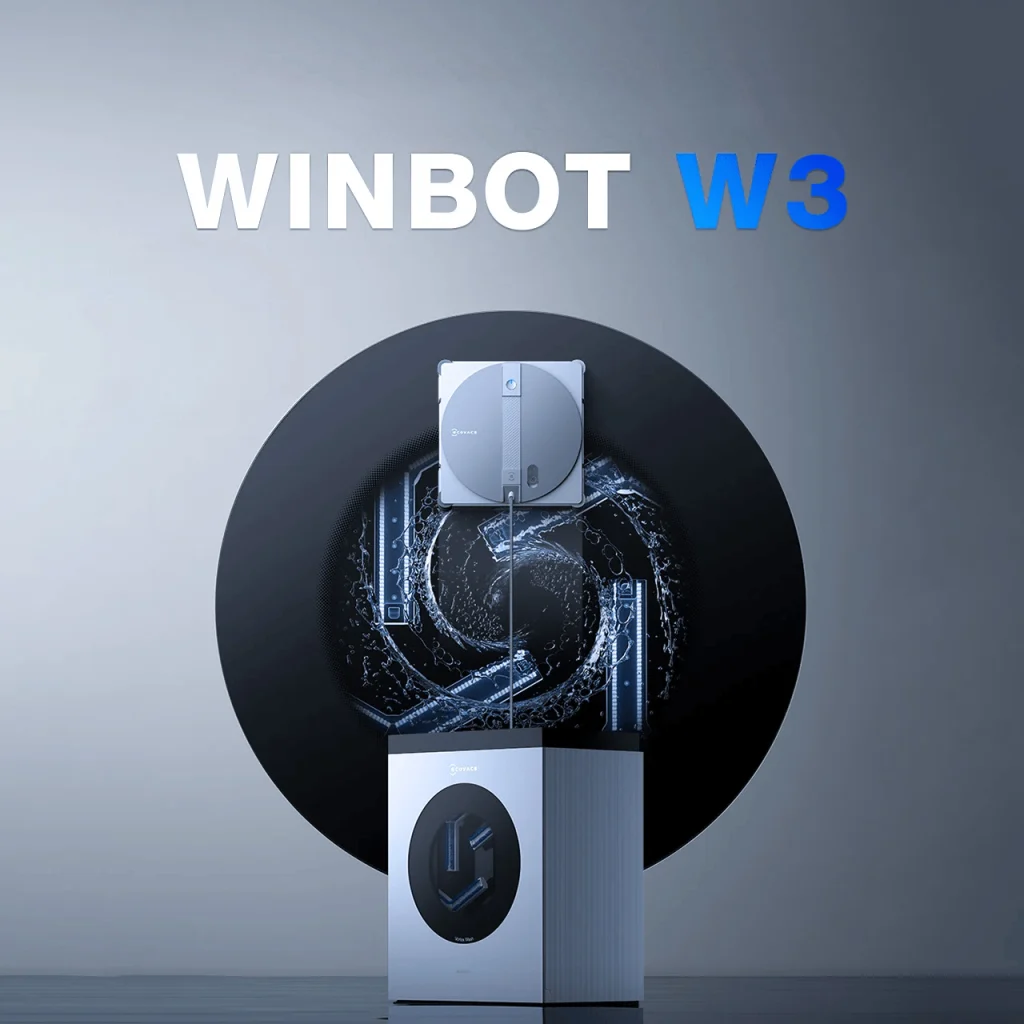
For a closer look at suction and edge-reach differences between two well-known class leaders, the Hutt DDC55 Pro review and the ECOVACS WINBOT W3 review show what the mid and commercial tiers actually deliver once you stop reading spec sheets.
Who should not buy a roof cleaning robot?
If you clean glass once a year, rent a crew. The math does not work at low frequency, and you will spend more on storage and maintenance than on cleaning. If your roof is small, flat, and easy to reach with a pole, a robot is overkill. And if nobody on site can maintain seals and batteries, a $9,000 unit becomes a $9,000 paperweight within two years.
Key Takeaways
- 2026 roof cleaning robot prices span roughly $1,200 to over $18,000 across four tiers.
- Mid-tier ($4,000-$9,000) is where most facility buyers land, and spec matters more than brand there.
- Suction grade, tether safety hardware, and tank size drive the widest price gaps.
- Payback on a $6,500 unit is typically 12-24 months at three cleanings per year.
- Budget $350-$900 per year in consumables, batteries and training that quotes never mention.
How should you structure a robot cleaning budget?
Split it three ways: hardware, consumables, and contingency. Hardware is the headline number but not the whole cost. Consumables — seals, brushes, squeegees, batteries — run $350-$900 a year in commercial use. Contingency should cover at least one unplanned repair, because a robot on a roof works in rain, dust and heat, and something always needs fixing.
A facility that budgets only the purchase price is routinely surprised in year two. The machine is fine; the suction seal and the water filter are not, and both are cheap to replace if you planned for them.
Does buying more than one tier ever make sense?
It does. A mid-tier tracked robot for the roof and a small consumer unit for reachable flat windows is often cheaper than forcing one commercial machine to do everything badly. Two tools at $6,500 and $1,500 can outperform a single $12,000 machine on a mixed portfolio, mainly because the small unit is quick to deploy for frequent, easy jobs.
Frequently asked questions about robot pricing
Are cheap units a false economy? Sometimes. A $1,200 unit that cannot cross a frame step or hold a slope may cost more in failed attempts than a mid-tier machine that does the job once.
Do prices fall every year? Slowly. Motor and battery costs improve, but the safety and water-handling hardware that drives commercial pricing stays expensive.