
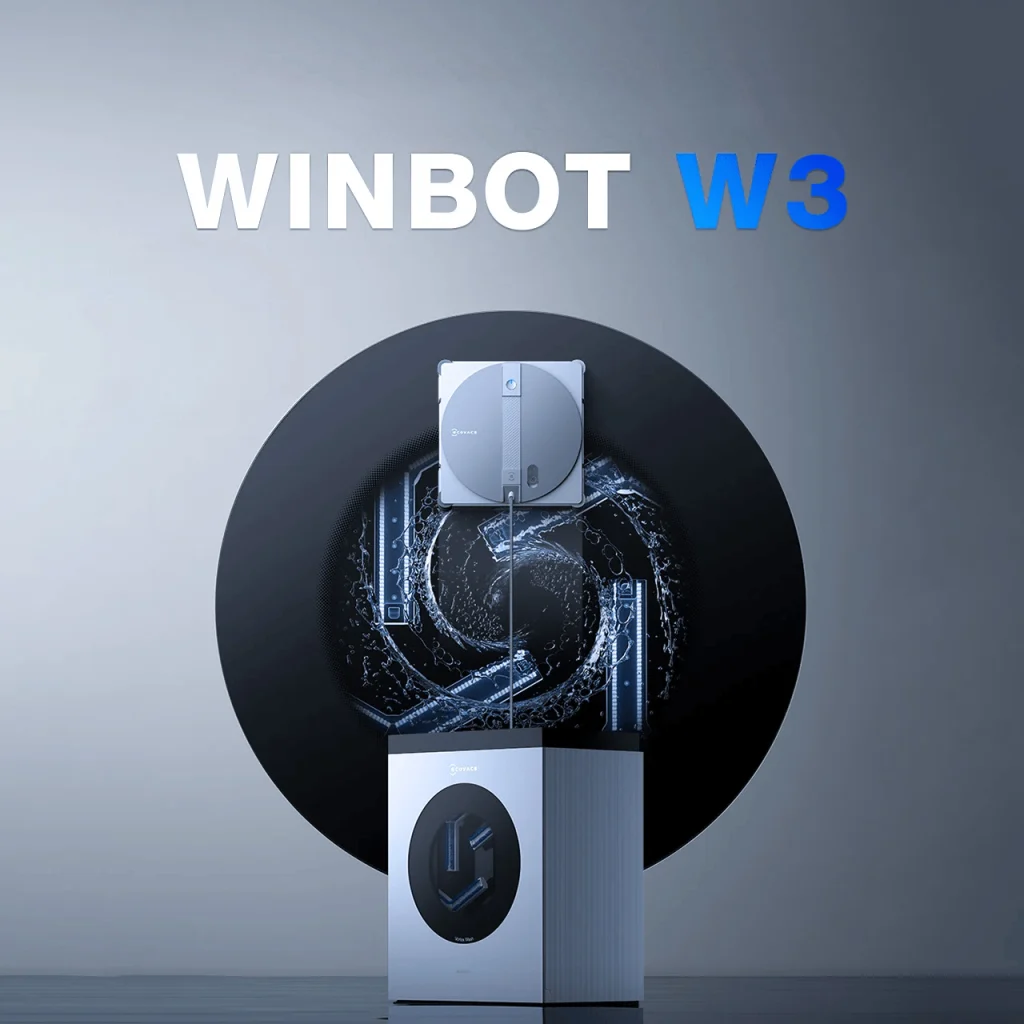
A cordless window cleaning robot typically delivers 45-70 minutes of real suction work per charge, not the 90-120 minutes on the box. On skylights and glass roofs, expect closer to 45 minutes in cold weather because suction motors draw more current when seals stiffen.
Cordless sounds like a clean upgrade over a tethered skylight cleaning robot. No cable dragging over a glass roof, no power drop when the robot crosses a ridge. The tradeoff is a battery chemistry problem manufacturers rarely spell out on the shelf. Here is the honest version for 2026 buyers.
Why do cordless specs overstate runtime?
Manual covers lead with runtime measured on a low-suction, continuous straight-line test. Real skylight work is stop-start: the robot pauses at frame edges, re-grips, navigates slope changes. Every re-grip is a current spike. On a 3 kW-hour pack you lose 25-35 percent of the printed figure to navigation alone. Add a cold morning and you lose more.
How many square metres can one charge clean?
Thin glazing on a flat roof is easy. A Lingyun Y3-class machine cleans roughly 120-180 m² per charge at peak, but a realistic mixed session lands at 80-120 m². On a sloped north-facing skylight in winter, 60 m² is a good day. That variance is the whole argument for buying a spare pack.
| Condition | Printed | Real |
|---|---|---|
| Flat glass, warm | 120 min | 70 min |
| Sloped skylight | 120 min | 50 min |
| Winter morning | 120 min | 40-45 min |
Swap strategy beats a bigger battery
Buying one giant pack sounds tidy. It is not. A 2.4 kg pack that takes 90 minutes to charge leaves you idle. Two 50-60 minute packs that charge in parallel keep a crew moving. Facilities running fleets should treat batteries like brush rollers: a consumable with a rotation schedule, not a fixed asset. Our battery swap vs charge breakdown covers the rotation maths.
Who should actually go cordless?
Cordless wins where a tether is genuinely dangerous or impossible: steep pitched glass roofs, heritage buildings with no anchor points, quick touch-up jobs after a dust storm. It loses on large flat commercial skylights where you clean 400-800 m² in a session; there, a tethered machine with mains power stays cheaper per square metre and never pauses to cool. Choose based on the roof, not on the marketing word.
Cold weather risk nobody mentions
Lithium packs lose discharge capacity below 5 degrees Celsius. If your skylight robot sits in an unheated truck overnight, the first run eats battery fast and the robot may read a false low charge. Keep packs indoors, and accept that winter throughput drops. Don’t fight it with firmware tweaks that raise suction and drain the pack faster.
Key Takeaways
- Real cordless runtime is 45-70 minutes, not the 90-120 on the box.
- Sloped skylights and cold mornings cut output by 40-60 percent.
- Two swappable packs beat one large pack for fleets.
- Large flat commercial skylights still favour tethered mains power.
- Store packs above 5 degrees Celsius to avoid false low-charge readings.