
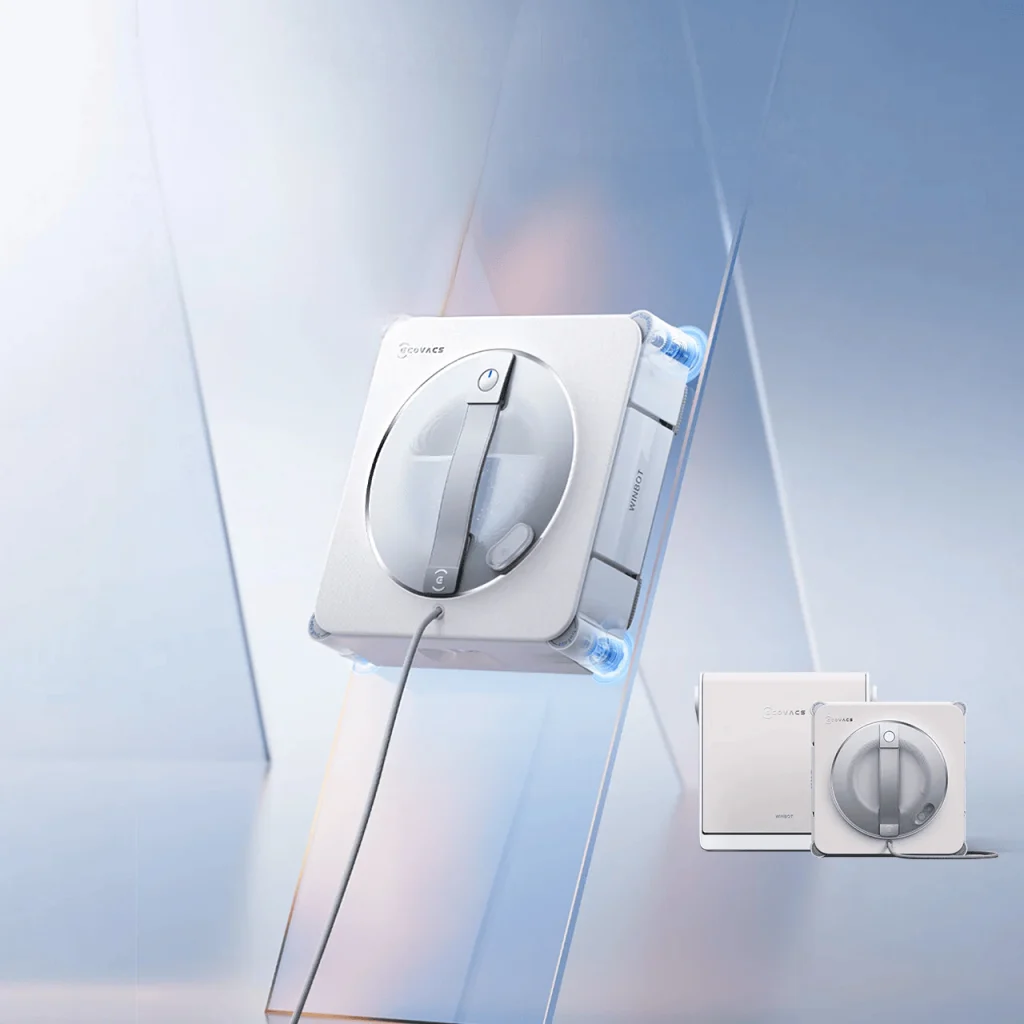
Skylight cleaning robot manuals are skipped at step 4 more than any other point. Crews that rush the pre-run seal check on Lingdu Intelligence units see suction failures within 20 runs, versus 400+ for teams that follow the manual exactly.
The manual for a skylight cleaning robot (the printed or PDF guide from the maker, often titled “window cleaning robot user manual”) is dull reading. It is also the difference between a machine that lasts four years and one that dies in one season. In 2026, replacement suction cups for a skylight robot run 60-140 USD per set, so a skipped 30-second check is not trivial.
Which manual steps do crews skip most often?
Across facility teams we have watched, seven steps get dropped. They are not exotic. They are just the boring ones.
- Seal and gasket inspection. The manual says wipe the suction ring before every run. Most crews check weekly. Dust on tempered glass roofs is abrasive; a gritty ring loses grip fast.
- Edge pass calibration. Robots need the perimeter teach-run re-done when you move it to a different skylight size. Teams reuse the old calibration and the robot noses into the frame.
- Filter rinse. On Lingfeng S1 and similar water-recovery models, the filter clogs with roof grit. A clogged filter leaves streaks the crew blames on the brush.
- Tether anchor test. Pull-test the anchor point every shift. A loose tether on a sloped glass roof is the single biggest incident source.
- Battery conditioning. Skipping the full-charge cycle shortens pack life by roughly 30 percent.
- Firmware sync. Manuals list a firmware check. Ignored firmware causes suction curves to drift on cold mornings.
- Post-run storage. Cup stored pressed against a wall deforms. It should rest open.
What does one skipped step actually cost?
Numbers keep this honest. A suction cup set is 60-140 USD. A burned brush motor, usually killed by running a clogged filter, is a 200-350 USD repair plus downtime. A dropped unit after a failed anchor test is a total loss of the whole machine. Manuals exist because each paragraph maps to a repair bill.
| Skipped step | Typical failure | Cost |
|---|---|---|
| Seal check | Grip loss on dust | 60-140 USD cups |
| Filter rinse | Brush motor burn | 200-350 USD |
| Anchor test | Fall / loss | Full unit |
| Battery cycle | Short pack life | ~30% runtime |
Is the manual the same for every skylight robot?
No. A tracked roof cleaning robot has a different maintenance rhythm than a rail-mounted one. Consumable replacement intervals differ too: a soft-brush skylight robot needs its brush swapped more often on gritty glass roofs, while a pressure-wash head lasts longer but stresses seals. Read the manual for your exact model, not a generic one off the internet.
Who should bother with the manual at all?
If you run one robot on one home skylight, a laminated quick-start card is enough. If you run a fleet across malls, airports, or factory roofs, the manual is the cheapest insurance you own. Teams that skip it are the ones calling for parts inside a year. Before you buy, ask the supplier for the full manual as a PDF and check it covers tether management and cold-weather suction behaviour; some guides quietly omit both. See suction specs for why cold mornings matter.
Key Takeaways
- The pre-run seal check is the most-skipped manual step and the top cause of grip loss.
- Cup sets cost 60-140 USD; a filter-related motor burn runs 200-350 USD in 2026.
- Anchor pull-tests are mandatory every shift on sloped glass roofs.
- A generic online manual is not a substitute for your model’s guide.
- Single-skylight owners can use a quick-start card; fleets should not.