
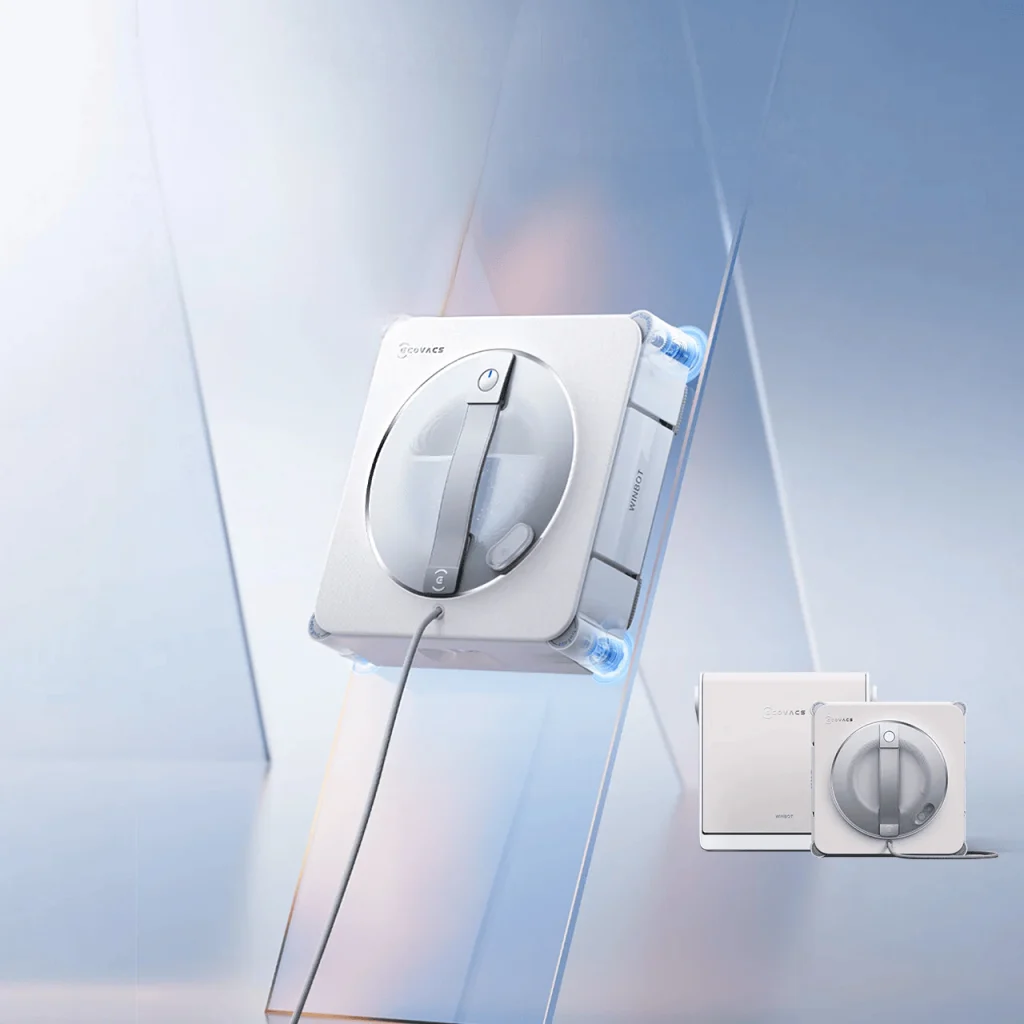
A compliant skylight cleaning setup in 2026 needs CE-marked equipment, an IP rating of IPX4 or better for exterior glass, a certified fall-arrest system, and a documented exclusion zone below the workface. Cleanliness is the goal; compliance is the licence to work.
Facility teams ask about suction and speed. Auditors ask about three other things, and those are the ones that stop a job if you cannot answer.
What certifications should skylight cleaning equipment carry?
For Europe and most export markets, look for the CE mark and a declared IP rating. The IP rating tells you whether the machine survives wet glass and rain exposure — IPX4 handles splashes, IPX6 handles washing, and anything unrated has no business on a roof.
Beyond the machine, fall protection is governed by national rules — in the UK, the Work at Height Regulations; in the EU, the Directive on work equipment. These apply to the operator on the roof edge even when the robot does the climbing.
Do you still need fall protection with a robot?
Yes. The operator stands at the roof edge to supervise and manage the tether, and that edge is a fall hazard regardless of how safe the robot is. Harness, anchor point, and exclusion zone at ground level are all still required.
Our Lingkong K3 notes cover the tether-and-supervision model for facade glass, which is the same pattern a compliant skylight job follows.
What documentation do auditors want?
- A method statement naming the equipment and the tether setup
- Proof of CE marking and the IP rating for the model used
- Operator training records for the roof-edge supervisor
- Anchor point inspection and its load rating
- A risk assessment covering wind limits and public protection below
Is robotic cleaning safer than rope access?
In most cases yes, because it removes the human from the glass entirely. Rope work puts a person on two lines above a void; a tethered robot puts an operator on the roof, out of the fall path. The residual risk shifts to the edge and the tether anchor, both of which are easier to control than a person mid-descent.
The caveat: this holds only if the tether is properly rated and the exclusion zone below is real. A robot used without those is not safer than rope work — it is just unmanaged risk with a battery.
What about insurance?
Check your cover before the first run. Some policies exclude roof-edge work unless operators are trained and the anchor is certified. A compliant setup is also a cheaper setup to insure, because the incident data for tethered robots over live space is, so far, strongly in the technology’s favour.
For a wider view of how the machines are specified and what to trust, see all skylight robot reviews.
How do you build a compliance file?
One binder, physical or digital, holding the method statement, the equipment certificates, the operator training records, the anchor inspection, and the risk assessment. Update it when equipment changes, not when an auditor asks, and keep the wind log attached to each clean.
The wind log is the item people forget. Recording the gusts on the day of the work is the difference between a documented safe operation and an assertion that it was fine. Auditors and insurers both read it the same way.
What risks remain unavoidable?
Suction loss on a wet or contaminated panel, tether chafing at the roof edge, and public exposure below during the descent. None of these vanish with good paperwork. They are managed by inspection intervals, an exclusion zone that people actually respect, and a stop-work rule for wind that the operator is empowered to use without asking.
That stop-work authority is the cheapest safety control you can give a crew. A supervisor who can pause the job on sight of a gust is worth more than any certificate in the binder.
How do you handle public protection below?
Define the exclusion zone from the drop radius, then enforce it with physical barriers, not signage alone. During a robot descent, nobody walks under the glass. On a retail atrium that means scheduling the work outside trading hours or closing the affected floor.
This is the compliance cost people underestimate. The machine may clean in two hours, but the floor closure is four, and that labour and lost trade belongs in the risk assessment and the budget.
How do you keep the compliance file current?
Review it at every equipment change and every six months regardless. Certificates expire, inspectors rotate, and anchor points age. A file that was complete last year is a liability this year if nobody re-checked the dates, and auditors notice the gap between the document and the roof.
Assign one person to own it. Compliance spreads thin when it belongs to everyone, and on a multi-site operation the owner should be a named individual with the authority to halt work that fails the check.
Where do European and UK rules diverge?
The UK leans on the Work at Height Regulations and a hierarchy that prefers avoiding work at height altogether, which favours robots where they fit. The EU framework sets equipment and workplace duties that similarly expect the lowest-risk method, not merely a safe one. Both point the same way: if a robot can do the job without a person on the glass, you should explain why you did not use one.
Local building codes add their own layer on anchor points and roof access. Check the site’s jurisdiction before you assume a single method statement travels across a portfolio.
Key Takeaways
- Compliance needs CE marking and IPX4+ for exterior glass equipment.
- Fall protection still applies to the roof-edge operator, robot or not.
- Auditors want a method statement, training records, and anchor certification.
- Tethered robots are safer than rope access, but only with a rated anchor and exclusion zone.
- Confirm insurance cover for roof-edge work before the first run.