
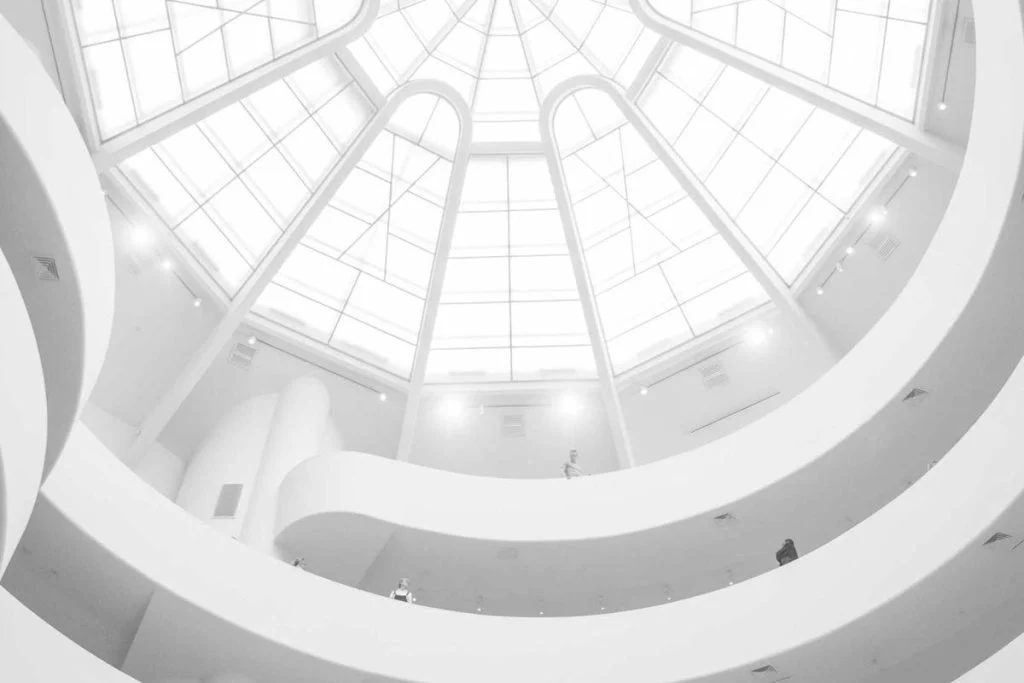
Cleaning a glass roof over an atrium needs a robot that recovers its water, not one that sprays and drags. In 2026 the working method is a lightweight tracked robot with a recovery squeegee, run at 25-35 m2/h in a morning or night window, with drip trays under any seam.
The atrium is a stage. Guests stand directly under the glass, so any dirty water that escapes the squeegee lands on someone’s head, not on a roof deck. That single fact drives the whole method.
Which access method fits an atrium?
| Access | Best for | Watch out for |
|---|---|---|
| Tracked robot + tether | 600-2,000 m2, regular cycles | tether routing over balconies |
| Gondola | buildings with existing cradle | cradle cost if not present |
| Rope crew | one-off, complex geometry | mobilisation half a day |
| Scaffold | major refurbishment only | cost and trading disruption |
Most atria above 600 m2 of glass justify a robot. The Lingyun Y3 with recovery tank is the usual pick because water stays inside the machine. A pressure washer is the wrong tool here, no matter what a contractor says.
How do you stop drips reaching the floor?
Three controls. First, use a robot with an integrated recovery squeegee and a tank you empty per cycle, not a spray-and-go design. Second, check the recovery tank seal before every run; a half-seated gasket leaks, and it leaks on the crowd side. Third, schedule high-dirt first passes at night, so the dirtiest water never meets daytime footfall.
Add drip trays under any glass seam above a walkway during the first pass. It sounds fussy. It prevents an incident report.
What about noise and trading hours?
Malls and lobbies often cap cleaning at roughly 55-65 dB(A) during trading. A robot runs quieter than a gondola motor and far quieter than a wet vacuum, so a night window of 2-4 hours usually finishes 600-900 m2. If you must work in trading hours, run the robot at reduced speed and skip the pressure stage entirely.
Who is this method not for?
Small atria under 200 m2 with a single pane, where a pole-and-squeegee still wins. And heritage atria where the glass is original and every suction cup risks a historic pane: there, hand cleaning with soft pads and a spot-check protocol is safer than any machine.
The concrete trap: rain screens and louvres above the glass. They trap leaf litter that falls onto the roof and jams a brush mid-cycle. Clear debris manually first, then run the robot. Book a site visit through contact if you want the layout checked.
How often should an atrium glass roof be cleaned?
Most commercial atria sit well at a four-to-eight week cycle. Below four weeks you are paying for marginal clarity; beyond eight weeks, dirt binds to the glass and the first pass takes twice the water and time. Dust-heavy or coastal sites should shorten the interval, because salt and fine grit etch coated glass if left through a wet season.
Public-facing atria justify the shorter end of that range. A hotel lobby or a mall entrance reads as neglected the moment the roof looks hazy, and guests notice the ceiling before they notice the floor.
What setup changes a tricky atrium?
Tether routing is the make-or-break detail. Route the line over fixed structure, never across a walkway where a shopper can catch it. If the atrium has balconies, anchor the tether at balcony level and let the robot work upward in sections, rather than draping a long line from the roof. Keep the water point within a short hose run, or carry a tank to the working level so refills do not cost half the cycle.
For glazed atria with operable vents, close and lock the vents before the cycle. A robot crossing an open vent frame is the kind of preventable accident that ends a program on day one.
What does an atrium cycle cost per year?
A 750 m2 atrium on a six-week cycle runs roughly 8-9 cleans a year. At a real-world 120-150 m2/h and two operators, each clean is about 6-8 hours including setup and water. Compare that with one quarterly rope deep clean that costs more per visit but happens only four times. The robot usually wins on the annual line, and the glass stays cleaner between visits.
What is the most common atrium mistake?
Cleaning the visible panel and ignoring the perimeter. The frame edges, mullion bases and glass-to-frame seals hold the dirt that streaks the whole roof in the next rain. A cycle that scrubs the centre and skips the edge looks good for a day and fails a week later. Good operators spend extra passes along the mullions precisely because that is where the streaks start.
The fix is part of the schedule, not the robot. Add an edge pass on every cycle, and clean the frame seals twice a year. Seals that hold grit wear faster and start to leak, which is a waterproofing cost, not a cleaning one.
How do you know the atrium program is working?
Judge it in normal light at eye level, from the floor people actually walk. Glare hides streaks from the roof; the trace of dust on an angled mullion at 10 am does not lie. If the glass still reads clean two weeks after a cycle, the program is sound. If it fogs over within days, the dosing or the recovery is off.
One practical check: photograph the same three panels under the same lighting after each cycle. Images catch the slow drift that a daily observer stops noticing.
Key Takeaways
- Choose a robot with integrated water recovery for atria, never spray-and-drag.
- Check the recovery tank gasket before every run to prevent leaks on the crowd.
- Isolate the first high-dirt pass to a night window.
- 55-65 dB(A) trading limits are met by running reduced-speed cycles.
- Clear rain-screen leaf litter before starting or the brush jams.